


By 𝗣𝗮𝘂𝗹 𝗟𝘂𝗰𝗸𝘆 𝗢𝗸𝗼𝗸𝘂
From academic research and 𝗕𝗕𝗖 investigations to an official 𝗖𝗮𝗻𝗮𝗱𝗶𝗮𝗻 𝗴𝗼𝘃𝗲𝗿𝗻𝗺𝗲𝗻𝘁 𝗿𝗲𝗽𝗼𝗿𝘁, concerns about financial inducements in Nigerian sports journalism have been documented for years. What lessons do these findings hold for 𝗲𝗱𝗶𝘁𝗼𝗿𝗶𝗮𝗹 𝗶𝗻𝗱𝗲𝗽𝗲𝗻𝗱𝗲𝗻𝗰𝗲, 𝗰𝗼𝗻𝗳𝗹𝗶𝗰𝘁𝘀 𝗼𝗳 𝗶𝗻𝘁𝗲𝗿𝗲𝘀𝘁 and 𝗮𝗰𝗰𝗼𝘂𝗻𝘁𝗮𝗯𝗶𝗹𝗶𝘁𝘆 𝗶𝗻 𝗡𝗶𝗴𝗲𝗿𝗶𝗮𝗻 𝘀𝗽𝗼𝗿𝘁𝘀 𝗷𝗼𝘂𝗿𝗻𝗮𝗹𝗶𝘀𝗺?
There is a Judas in almost every profession. Football is no exception. Politics is no exception. And sports journalism, despite its responsibility to expose wrongdoing, is certainly no exception.
But sometimes betrayal takes a particularly troubling form: when those entrusted with defending the public’s right to information appear more interested in protecting the powerful than supporting the independence of their own profession.
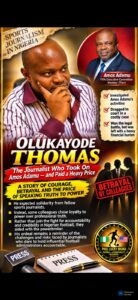
The experience of Nigerian investigative sports journalist 𝗢𝗹𝘂𝗸𝗮𝘆𝗼𝗱𝗲 𝗧𝗵𝗼𝗺𝗮𝘀 offers a remarkable example.
His story is not merely about a confrontation with a powerful sports administrator. It is about the price one journalist says he paid for investigating authority—and the conduct of colleagues he believed should have known better.
𝗔 S𝗣𝗢𝗥𝗧𝗦 𝗝𝗢𝗨𝗥𝗡𝗔𝗟𝗜𝗦𝗧 𝗚𝗢𝗘𝗦 𝗟𝗢𝗢𝗞𝗜𝗡𝗚 𝗙𝗢𝗥 𝗔𝗡𝗦𝗪𝗘𝗥𝗦
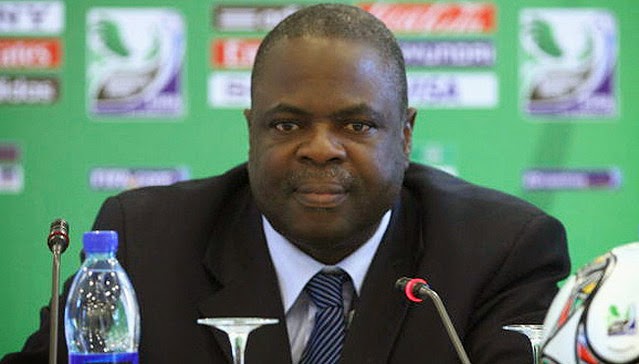
In 𝟮𝟬𝟬𝟮, 𝗧𝗵𝗼𝗺𝗮𝘀, then working with 𝗧𝗵𝗲 𝗚𝘂𝗮𝗿𝗱𝗶𝗮𝗻, was assigned by editor 𝗗𝗲𝗯𝗼 𝗔𝗱𝗲𝘀𝗶𝗻𝗮 to investigate 𝗗𝗿. 𝗔𝗺𝗼𝘀 𝗔𝗱𝗮𝗺𝘂, one of Nigeria’s most influential sports administrators.
Adamu’s authority extended across Nigerian sports institutions and eventually into the executive leadership of 𝗖𝗔𝗙 and 𝗙𝗜𝗙𝗔.
Thomas travelled across Nigeria, interviewing sources and investigating questions about Adamu’s background, financial interests and influence within sports administration.
His findings were controversial, and Adamu contested the reporting.
In 𝟮𝟬𝟬𝟳, following further coverage, Adamu initiated defamation proceedings against Thomas and The Guardian, seeking damages reported at approximately ₦𝟱𝟬𝟬 𝗺𝗶𝗹𝗹𝗶𝗼𝗻
For a sports journalist without comparable financial resources, the implications were enormous.
But what happened during that legal struggle exposed something equally disturbing.
𝗧𝗛𝗘 𝗔𝗕𝗨𝗝𝗔 𝗘𝗡𝗖𝗢𝗨𝗡𝗧𝗘𝗥
In a firsthand account published under the title How a David Defeated Goliath in a Nigerian Court, Thomas described an incident at a function in 𝗔𝗯𝘂𝗷𝗮.
According to his recollection, he was seated with other sports journalists when 𝗔𝗺𝗼𝘀 𝗔𝗱𝗮𝗺𝘂 approached their group and exchanged greetings.
Adamu apparently did not recognise him.
After the administrator walked away, Thomas said two of his sports journalist colleagues followed him.
Adamu returned shortly afterwards, approached Thomas and introduced himself.
Then came the question.
“Are you Olukayode Thomas?”
Thomas confirmed his identity.
According to Thomas, Adamu responded by telling him they would meet in court.
What troubled the sports journalist was not simply the encounter with the powerful official.
It was his conviction that two colleagues had identified him to Adamu after the administrator initially failed to recognise him.
Thomas believed their actions had exposed him to a confrontation he had not initiated.
The episode raises a question every professional sports journalist should consider.
𝗪𝗵𝗲𝗻 𝗮 𝗰𝗼𝗹𝗹𝗲𝗮𝗴𝘂𝗲 𝗶𝘀 𝗶𝗻𝘃𝗲𝘀𝘁𝗶𝗴𝗮𝘁𝗶𝗻𝗴 𝗽𝗼𝘄𝗲𝗿, 𝗮𝗿𝗲 𝘄𝗲 𝗽𝗿𝗼𝘁𝗲𝗰𝘁𝗶𝗻𝗴 𝘁𝗵𝗲 𝗽𝗿𝗶𝗻𝗰𝗶𝗽𝗹𝗲𝘀 𝗼𝗳 𝗼𝘂𝗿 𝗽𝗿𝗼𝗳𝗲𝘀𝘀𝗶𝗼𝗻, 𝗼𝗿 𝘀𝗲𝗲𝗸𝗶𝗻𝗴 𝗳𝗮𝘃𝗼𝘂𝗿 𝘄𝗶𝘁𝗵 𝘁𝗵𝗼𝘀𝗲 𝗵𝗲 𝗶𝘀 𝗶𝗻𝘃𝗲𝘀𝘁𝗶𝗴𝗮𝘁𝗶𝗻𝗴?
𝗪𝗛𝗘𝗡 𝗦𝗜𝗟𝗘𝗡𝗖𝗘 𝗕𝗘𝗖𝗢𝗠𝗘𝗦 𝗖𝗢𝗠𝗣𝗟𝗜𝗖𝗜𝗧𝗬
𝗢𝗹𝘂𝗸𝗮𝘆𝗼𝗱𝗲 𝗧𝗵𝗼𝗺𝗮𝘀’s criticism of his fellow sports journalists extended beyond the 𝗔𝗯𝘂𝗷𝗮 encounter.
In his published testimony, he alleged that some sports journalists supported 𝗔𝗺𝗼𝘀 𝗔𝗱𝗮𝗺𝘂 during the dispute and that others privately suggested the legal proceedings could financially destroy him.
Those experiences raise fundamental questions about 𝗽𝗿𝗼𝗳𝗲𝘀𝘀𝗶𝗼𝗻𝗮𝗹 𝗲𝘁𝗵𝗶𝗰𝘀, 𝗷𝗼𝘂𝗿𝗻𝗮𝗹𝗶𝘀𝘁𝗶𝗰 𝗶𝗻𝗱𝗲𝗽𝗲𝗻𝗱𝗲𝗻𝗰𝗲 and 𝗹𝗼𝘆𝗮𝗹𝘁𝘆 𝘁𝗼 𝘁𝗵𝗲 𝘁𝗿𝘂𝘁𝗵.
Sports journalists are not obligated to agree with every investigation their colleagues publish. They have every right to challenge inaccuracies, demand evidence and disagree with editorial judgments.
But professional disagreement is entirely different from secretly undermining a fellow sports journalist to gain access, favour or protection from an influential sports administrator.
A sports journalist may cultivate sources and maintain professional relationships with football administrators. However, no sports journalist should become an instrument through which powerful administrators intimidate or undermine independent investigative reporting.
𝗧𝗵𝗲 𝗺𝗼𝗺𝗲𝗻𝘁 𝗮𝗰𝗰𝗲𝘀𝘀 𝘁𝗼 𝗽𝗼𝘄𝗲𝗿 𝗯𝗲𝗰𝗼𝗺𝗲𝘀 𝗺𝗼𝗿𝗲 𝘃𝗮𝗹𝘂𝗮𝗯𝗹𝗲 𝘁𝗵𝗮𝗻 𝘁𝗿𝘂𝘁𝗵, 𝘀𝗽𝗼𝗿𝘁𝘀 𝗷𝗼𝘂𝗿𝗻𝗮𝗹𝗶𝘀𝗺 𝗿𝗶𝘀𝗸𝘀 𝘀𝘂𝗿𝗿𝗲𝗻𝗱𝗲𝗿𝗶𝗻𝗴 𝗶𝘁𝘀 𝗶𝗻𝗱𝗲𝗽𝗲𝗻𝗱𝗲𝗻𝗰𝗲, 𝗰𝗿𝗲𝗱𝗶𝗯𝗶𝗹𝗶𝘁𝘆 𝗮𝗻𝗱 𝗽𝘂𝗯𝗹𝗶𝗰 𝗽𝘂𝗿𝗽𝗼𝘀𝗲.
𝗪𝗛𝗘𝗡 𝗦𝗣𝗢𝗥𝗧𝗦 𝗝𝗢𝗨𝗥𝗡𝗔𝗟𝗜𝗦𝗧𝗦 𝗣𝗥𝗢𝗧𝗘𝗖𝗧 𝗣𝗢𝗪𝗘𝗥 𝗜𝗡𝗦𝗧𝗘𝗔𝗗 𝗢𝗙 𝗤𝗨𝗘𝗦𝗧𝗜𝗢𝗡𝗜𝗡𝗚 𝗜𝗧
The experience of 𝗢𝗹𝘂𝗸𝗮𝘆𝗼𝗱𝗲 𝗧𝗵𝗼𝗺𝗮𝘀 raises a question about the 𝗶𝗻𝘃𝗲𝘀𝘁𝗶𝗴𝗮𝘁𝗶𝘃𝗲 𝗿𝗲𝘀𝗽𝗼𝗻𝘀𝗶𝗯𝗶𝗹𝗶𝘁𝗶𝗲𝘀 of 𝗡𝗶𝗴𝗲𝗿𝗶𝗮𝗻 𝘀𝗽𝗼𝗿𝘁𝘀 𝗷𝗼𝘂𝗿𝗻𝗮𝗹𝗶𝘀𝘁𝘀 today.
For approximately 𝘁𝗵𝗿𝗲𝗲 𝗱𝗲𝗰𝗮𝗱𝗲𝘀, successive administrations of the 𝗡𝗶𝗴𝗲𝗿𝗶𝗮 𝗙𝗼𝗼𝘁𝗯𝗮𝗹𝗹 𝗔𝘀𝘀𝗼𝗰𝗶𝗮𝘁𝗶𝗼𝗻 (𝗡𝗙𝗔) and its successor, the 𝗡𝗶𝗴𝗲𝗿𝗶𝗮 𝗙𝗼𝗼𝘁𝗯𝗮𝗹𝗹 𝗙𝗲𝗱𝗲𝗿𝗮𝘁𝗶𝗼𝗻 (𝗡𝗙𝗙), have faced recurring controversies involving 𝗮𝗹𝗹𝗲𝗴𝗮𝘁𝗶𝗼𝗻𝘀 𝗼𝗳 𝗰𝗼𝗿𝗿𝘂𝗽𝘁𝗶𝗼𝗻, 𝘂𝗻𝗽𝗮𝗶𝗱 𝗰𝗼𝗮𝗰𝗵𝗲𝘀’ 𝘀𝗮𝗹𝗮𝗿𝗶𝗲𝘀, 𝗼𝘂𝘁𝘀𝘁𝗮𝗻𝗱𝗶𝗻𝗴 𝗽𝗹𝗮𝘆𝗲𝗿𝘀’ 𝗮𝗹𝗹𝗼𝘄𝗮𝗻𝗰𝗲𝘀, 𝘂𝗻𝗽𝗮𝗶𝗱 𝗲𝘀𝘁𝗮𝗰𝗼𝗱𝗲𝘀, 𝗳𝗶𝗻𝗮𝗻𝗰𝗶𝗮𝗹 𝗺𝗶𝘀𝗺𝗮𝗻𝗮𝗴𝗲𝗺𝗲𝗻𝘁 and failures of administrative accountability.
New presidents emerge. Old financial questions remain. Coaches complain. Players demand their entitlements. 𝗦𝗽𝗼𝗿𝘁𝘀 𝗷𝗼𝘂𝗿𝗻𝗮𝗹𝗶𝘀𝘁𝘀 report the complaints. Eventually, attention shifts to another tournament, appointment or administration.
𝗕𝘂𝘁 𝘄𝗵𝗼 𝗶𝗻𝘃𝗲𝘀𝘁𝗶𝗴𝗮𝘁𝗲𝘀 𝘁𝗵𝗲 𝘂𝗻𝗱𝗲𝗿𝗹𝘆𝗶𝗻𝗴 𝗳𝗶𝗻𝗮𝗻𝗰𝗶𝗮𝗹 𝘁𝗿𝗮𝗻𝘀𝗮𝗰𝘁𝗶𝗼𝗻𝘀?
In 𝗠𝗮𝘆 𝟮𝟬𝟮𝟯, the 𝗡𝗙𝗙 publicly acknowledged delays in paying national team coaches, with some obligations dating back more than a year.
In 𝗔𝘂𝗴𝘂𝘀𝘁 𝟮𝟬𝟮𝟲, 𝗧𝗛𝗜𝗦𝗗𝗔𝗬 reported that the 𝗘𝗰𝗼𝗻𝗼𝗺𝗶𝗰 𝗮𝗻𝗱 𝗙𝗶𝗻𝗮𝗻𝗰𝗶𝗮𝗹 𝗖𝗿𝗶𝗺𝗲𝘀 𝗖𝗼𝗺𝗺𝗶𝘀𝘀𝗶𝗼𝗻 (𝗘𝗙𝗖𝗖) and the 𝗜𝗻𝗱𝗲𝗽𝗲𝗻𝗱𝗲𝗻𝘁 𝗖𝗼𝗿𝗿𝘂𝗽𝘁 𝗣𝗿𝗮𝗰𝘁𝗶𝗰𝗲𝘀 𝗮𝗻𝗱 𝗢𝘁𝗵𝗲𝗿 𝗥𝗲𝗹𝗮𝘁𝗲𝗱 𝗢𝗳𝗳𝗲𝗻𝗰𝗲𝘀 𝗖𝗼𝗺𝗺𝗶𝘀𝘀𝗶𝗼𝗻 (𝗜𝗖𝗣𝗖) were investigating the utilization of a reported ₦𝟭𝟮 𝗯𝗶𝗹𝗹𝗶𝗼𝗻 federal intervention fund intended to address outstanding salaries, allowances and bonuses.
These developments raise questions about both the original budgetary provisions and subsequent intervention funds approved under the administration of 𝗣𝗿𝗲𝘀𝗶𝗱𝗲𝗻𝘁 𝗕𝗼𝗹𝗮 𝗔𝗵𝗺𝗲𝗱 𝗧𝗶𝗻𝘂𝗯𝘂.
𝗪𝗲𝗿𝗲 𝗽𝗮𝘆𝗺𝗲𝗻𝘁𝘀 𝗱𝗲𝗹𝗶𝗯𝗲𝗿𝗮𝘁𝗲𝗹𝘆 𝗱𝗲𝗹𝗮𝘆𝗲𝗱 𝗼𝗿 𝘄𝗶𝘁𝗵𝗵𝗲𝗹𝗱 𝗱𝗲𝘀𝗽𝗶𝘁𝗲 𝘁𝗵𝗲 𝗮𝘃𝗮𝗶𝗹𝗮𝗯𝗶𝗹𝗶𝘁𝘆 𝗼𝗳 𝗳𝘂𝗻𝗱𝘀? 𝗪𝗵𝗼 𝗮𝘂𝘁𝗵𝗼𝗿𝗶𝘀𝗲𝗱 𝘁𝗵𝗲 𝗲𝘅𝗽𝗲𝗻𝗱𝗶𝘁𝘂𝗿𝗲, 𝗮𝗻𝗱 𝘄𝗵𝗮𝘁 𝗳𝗶𝗻𝗮𝗻𝗰𝗶𝗮𝗹 𝗿𝗲𝗰𝗼𝗿𝗱𝘀 𝘀𝘂𝗽𝗽𝗼𝗿𝘁 𝘁𝗵𝗲 𝗱𝗶𝘀𝗯𝘂𝗿𝘀𝗲𝗺𝗲𝗻𝘁𝘀?
Equally important is the distinction between 𝗮𝗰𝗰𝗼𝘂𝗻𝘁𝗮𝗯𝗶𝗹𝗶𝘁𝘆 𝗳𝗼𝗿 𝗽𝘂𝗯𝗹𝗶𝗰 𝗳𝘂𝗻𝗱𝘀 and the continuing obligation to settle legitimate debts. The resignation of an administrator, a change in leadership or an ongoing investigation does not automatically extinguish verified entitlements owed to coaches, players and other beneficiaries.
𝗛𝗮𝘃𝗲 𝘁𝗵𝗲 𝗼𝘂𝘁𝘀𝘁𝗮𝗻𝗱𝗶𝗻𝗴 𝗰𝗹𝗮𝗶𝗺𝘀 𝗯𝗲𝗲𝗻 𝗿𝗲𝗰𝗼𝗻𝗰𝗶𝗹𝗲𝗱?
𝗪𝗵𝗮𝘁 𝗮𝗿𝗿𝗮𝗻𝗴𝗲𝗺𝗲𝗻𝘁𝘀 𝗲𝘅𝗶𝘀𝘁 𝘁𝗼 𝗽𝗮𝘆 𝘁𝗵𝗼𝘀𝗲 𝘀𝘁𝗶𝗹𝗹 𝗼𝘄𝗲𝗱?
𝗜𝗳 𝗺𝗼𝗻𝗲𝘆 𝘄𝗮𝘀 𝗱𝗶𝘃𝗲𝗿𝘁𝗲𝗱 𝗼𝗿 𝗶𝗺𝗽𝗿𝗼𝗽𝗲𝗿𝗹𝘆 𝗿𝗲𝘁𝗮𝗶𝗻𝗲𝗱, 𝘄𝗵𝗮𝘁 𝗿𝗲𝗰𝗼𝘃𝗲𝗿𝘆 𝗺𝗲𝗮𝘀𝘂𝗿𝗲𝘀 𝗵𝗮𝘃𝗲 𝗯𝗲𝗲𝗻 𝗽𝘂𝗿𝘀𝘂𝗲𝗱?
Where wrongdoing is established, 𝗿𝗲𝘀𝘁𝗶𝘁𝘂𝘁𝗶𝗼𝗻, 𝗿𝗲𝗰𝗼𝘃𝗲𝗿𝘆 𝗼𝗳 𝗺𝗶𝘀𝗮𝗽𝗽𝗿𝗼𝗽𝗿𝗶𝗮𝘁𝗲𝗱 𝗽𝘂𝗯𝗹𝗶𝗰 𝗳𝘂𝗻𝗱𝘀 and 𝗰𝗿𝗶𝗺𝗶𝗻𝗮𝗹 𝗽𝗿𝗼𝘀𝗲𝗰𝘂𝘁𝗶𝗼𝗻 must follow where the evidence warrants them.
𝗧𝗵𝗼𝘀𝗲 𝗳𝗼𝘂𝗻𝗱 𝗴𝘂𝗶𝗹𝘁𝘆 𝗼𝗳 𝗰𝗿𝗶𝗺𝗶𝗻𝗮𝗹 𝗺𝗶𝘀𝗮𝗽𝗽𝗿𝗼𝗽𝗿𝗶𝗮𝘁𝗶𝗼𝗻 𝗼𝗳 𝗽𝘂𝗯𝗹𝗶𝗰 𝗳𝘂𝗻𝗱𝘀 𝘀𝗵𝗼𝘂𝗹𝗱 𝗳𝗮𝗰𝗲 𝗶𝗺𝗽𝗿𝗶𝘀𝗼𝗻𝗺𝗲𝗻𝘁 𝘄𝗵𝗲𝗿𝗲 𝗽𝗿𝗲𝘀𝗰𝗿𝗶𝗯𝗲𝗱 𝗯𝘆 𝗹𝗮𝘄.
Investigations must not end with sensational headlines, quiet resignations or changes in leadership.
𝗦𝗽𝗼𝗿𝘁𝘀 𝗷𝗼𝘂𝗿𝗻𝗮𝗹𝗶𝘀𝘁𝘀 𝗺𝘂𝘀𝘁 𝗳𝗼𝗹𝗹𝗼𝘄 𝘁𝗵𝗲𝘀𝗲 𝗰𝗮𝘀𝗲𝘀 𝘁𝗵𝗿𝗼𝘂𝗴𝗵 𝗶𝗻𝘃𝗲𝘀𝘁𝗶𝗴𝗮𝘁𝗶𝗼𝗻, 𝗽𝗿𝗼𝘀𝗲𝗰𝘂𝘁𝗶𝗼𝗻, 𝗷𝘂𝗱𝗶𝗰𝗶𝗮𝗹 𝗱𝗲𝘁𝗲𝗿𝗺𝗶𝗻𝗮𝘁𝗶𝗼𝗻 𝗮𝗻𝗱 𝗲𝗻𝗳𝗼𝗿𝗰𝗲𝗺𝗲𝗻𝘁 𝗼𝗳 𝗮𝗻𝘆 𝘀𝗲𝗻𝘁𝗲𝗻𝗰𝗲, while ensuring that legitimate debts owed to coaches, players and other beneficiaries are settled 𝘄𝗶𝘁𝗵𝗼𝘂𝘁 𝘁𝗵𝗼𝘀𝗲 𝗱𝗲𝗺𝗮𝗻𝗱𝗶𝗻𝗴 𝘁𝗵𝗲𝗶𝗿 𝗿𝗶𝗴𝗵𝘁𝗳𝘂𝗹 𝗲𝗻𝘁𝗶𝘁𝗹𝗲𝗺𝗲𝗻𝘁𝘀 𝗳𝗮𝗰𝗶𝗻𝗴 𝗶𝗻𝘁𝗶𝗺𝗶𝗱𝗮𝘁𝗶𝗼𝗻, 𝗿𝗲𝘁𝗮𝗹𝗶𝗮𝘁𝗶𝗼𝗻 𝗼𝗿 𝗮𝗯𝘂𝘀𝗶𝘃𝗲 𝗹𝗲𝗴𝗮𝗹 𝗮𝗰𝘁𝗶𝗼𝗻 𝗳𝗿𝗼𝗺 𝗳𝗲𝗹𝗹𝗼𝘄 𝘀𝗽𝗼𝗿𝘁𝘀 𝗽𝗿𝗼𝗳𝗲𝘀𝘀𝗶𝗼𝗻𝗮𝗹𝘀 𝗼𝗿 𝗳𝗼𝗼𝘁𝗯𝗮𝗹𝗹 𝗮𝗱𝗺𝗶𝗻𝗶𝘀𝘁𝗿𝗮𝘁𝗼𝗿𝘀.
These are matters requiring sustained investigative scrutiny, not merely the publication of another unpaid-salaries headline. The responsibility of 𝘀𝗽𝗼𝗿𝘁𝘀 𝗷𝗼𝘂𝗿𝗻𝗮𝗹𝗶𝘀𝘁𝘀 extends to examining financial records, testing official explanations and following decisions across successive administrations.
𝗧𝗵𝗮𝘁 𝗶𝘀 𝘁𝗵𝗲 𝗱𝗶𝗳𝗳𝗲𝗿𝗲𝗻𝗰𝗲 𝗯𝗲𝘁𝘄𝗲𝗲𝗻 𝗿𝗲𝗽𝗼𝗿𝘁𝗶𝗻𝗴 𝗮 𝗰𝗼𝗻𝘁𝗿𝗼𝘃𝗲𝗿𝘀𝘆 𝗮𝗻𝗱 𝗶𝗻𝘃𝗲𝘀𝘁𝗶𝗴𝗮𝘁𝗶𝗻𝗴 𝘁𝗵𝗲 𝗽𝗲𝗼𝗽𝗹𝗲 𝗮𝗻𝗱 𝗱𝗲𝗰𝗶𝘀𝗶𝗼𝗻𝘀 𝗯𝗲𝗵𝗶𝗻𝗱 𝗶𝘁.
This brings us to an equally uncomfortable question about the profession itself.
𝗖𝗼𝘂𝗹𝗱 𝗽𝗿𝗼𝗳𝗲𝘀𝘀𝗶𝗼𝗻𝗮𝗹 𝗰𝗼𝗻𝗳𝗹𝗶𝗰𝘁𝘀 𝗼𝗳 𝗶𝗻𝘁𝗲𝗿𝗲𝘀𝘁 help explain why some 𝘀𝗽𝗼𝗿𝘁𝘀 𝗷𝗼𝘂𝗿𝗻𝗮𝗹𝗶𝘀𝘁𝘀 aggressively scrutinise coaches and footballers while subjecting powerful administrators to comparatively limited investigative examination?
Concerns about 𝗯𝗿𝗼𝘄𝗻-𝗲𝗻𝘃𝗲𝗹𝗼𝗽𝗲 𝗷𝗼𝘂𝗿𝗻𝗮𝗹𝗶𝘀𝗺 in 𝗡𝗶𝗴𝗲𝗿𝗶𝗮 are supported by published research and firsthand reporting.
In 𝗗𝗲𝗰𝗲𝗺𝗯𝗲𝗿 𝟮𝟬𝟭𝟯, researchers 𝗡𝗻𝗮𝗻𝘆𝗲𝗹𝘂𝗴𝗼 𝗢𝗸𝗼𝗿𝗼 and 𝗕𝗹𝗲𝘀𝘀𝗶𝗻𝗴 𝗖𝗵𝗶𝗻𝘄𝗲𝗼𝗯𝗼-𝗢𝗻𝘂𝗼𝗵𝗮 published findings in the 𝗖𝗼𝘃𝗲𝗻𝗮𝗻𝘁 𝗝𝗼𝘂𝗿𝗻𝗮𝗹 𝗼𝗳 𝗖𝗼𝗺𝗺𝘂𝗻𝗶𝗰𝗮𝘁𝗶𝗼𝗻 identifying how financial inducements could influence reporting, suppress important issues and compromise professional independence.
On 𝗠𝗮𝗿𝗰𝗵 𝟱, 𝟮𝟬𝟭𝟱, 𝗔𝗱𝗮𝗼𝗯𝗶 𝗧𝗿𝗶𝗰𝗶𝗮 𝗡𝘄𝗮𝘂𝗯𝗮𝗻𝗶 examined the same practice in a 𝗕𝗕𝗖 𝗡𝗲𝘄𝘀 report, describing payments to journalists and the pressures such arrangements placed on independent reporting.
Further evidence emerged on 𝗡𝗼𝘃𝗲𝗺𝗯𝗲𝗿 𝟯, 𝟮𝟬𝟭𝟳, when the 𝗜𝗺𝗺𝗶𝗴𝗿𝗮𝘁𝗶𝗼𝗻 𝗮𝗻𝗱 𝗥𝗲𝗳𝘂𝗴𝗲𝗲 𝗕𝗼𝗮𝗿𝗱 𝗼𝗳 𝗖𝗮𝗻𝗮𝗱𝗮 published an official research report examining 𝗯𝗿𝗼𝘄𝗻-𝗲𝗻𝘃𝗲𝗹𝗼𝗽𝗲 𝗷𝗼𝘂𝗿𝗻𝗮𝗹𝗶𝘀𝗺 𝗶𝗻 𝗡𝗶𝗴𝗲𝗿𝗶𝗮.
Drawing on Nigerian media professionals and published investigations, the report documented cash payments to journalists, sometimes disguised as 𝘁𝗿𝗮𝗻𝘀𝗽𝗼𝗿𝘁𝗮𝘁𝗶𝗼𝗻 𝗮𝗹𝗹𝗼𝘄𝗮𝗻𝗰𝗲𝘀 𝗼𝗿 𝗴𝗶𝗳𝘁𝘀, and examined how such financial relationships could compromise independent reporting.
These findings raise a question directly relevant to 𝗡𝗶𝗴𝗲𝗿𝗶𝗮𝗻 𝘀𝗽𝗼𝗿𝘁𝘀 𝗷𝗼𝘂𝗿𝗻𝗮𝗹𝗶𝘀𝘁𝘀: 𝗪𝗵𝗲𝗻 𝗮 𝘀𝗽𝗼𝗿𝘁𝘀 𝗷𝗼𝘂𝗿𝗻𝗮𝗹𝗶𝘀𝘁 𝗱𝗲𝗽𝗲𝗻𝗱𝘀 𝗼𝗻 𝗳𝗶𝗻𝗮𝗻𝗰𝗶𝗮𝗹 𝗳𝗮𝘃𝗼𝘂𝗿𝘀 𝗼𝗿 𝗽𝗿𝗶𝘃𝗶𝗹𝗲𝗴𝗲𝗱 𝗮𝗰𝗰𝗲𝘀𝘀 𝗳𝗿𝗼𝗺 𝗮 𝗳𝗼𝗼𝘁𝗯𝗮𝗹𝗹 𝗮𝗱𝗺𝗶𝗻𝗶𝘀𝘁𝗿𝗮𝘁𝗼𝗿, 𝗵𝗼𝘄 𝗶𝗻𝗱𝗲𝗽𝗲𝗻𝗱𝗲𝗻𝘁 𝗰𝗮𝗻 𝘁𝗵𝗮𝘁 𝗷𝗼𝘂𝗿𝗻𝗮𝗹𝗶𝘀𝘁’𝘀 𝗶𝗻𝘃𝗲𝘀𝘁𝗶𝗴𝗮𝘁𝗶𝗼𝗻 𝗼𝗳 𝘁𝗵𝗲 𝘀𝗮𝗺𝗲 𝗮𝗱𝗺𝗶𝗻𝗶𝘀𝘁𝗿𝗮𝘁𝗼𝗿 𝗿𝗲𝗺𝗮𝗶𝗻?
𝗦𝗽𝗼𝗿𝘁𝘀 𝗷𝗼𝘂𝗿𝗻𝗮𝗹𝗶𝘀𝘁𝘀 have also published important investigations into football governance, including reports that brought financial controversies into public view. The concern is whether such scrutiny is sustained consistently, particularly when powerful officials control access, hospitality, appointments or other benefits.
Footballers and coaches are routinely subjected to intense public criticism. A player who misses a scoring opportunity may be condemned for days, while unresolved questions involving substantial public resources can fade from the headlines without a definitive accounting.
𝗧𝗵𝗲 𝗷𝗼𝗯 𝗼𝗳 𝘀𝗽𝗼𝗿𝘁𝘀 𝗷𝗼𝘂𝗿𝗻𝗮𝗹𝗶𝘀𝘁𝘀 𝗶𝘀 𝗻𝗼𝘁 𝘁𝗼 𝗺𝗮𝗻𝗮𝗴𝗲 𝘁𝗵𝗲 𝗿𝗲𝗽𝘂𝘁𝗮𝘁𝗶𝗼𝗻 𝗼𝗳 𝗽𝗼𝘄𝗲𝗿.
𝗜𝘁 𝗶𝘀 𝘁𝗼 𝗲𝘅𝗮𝗺𝗶𝗻𝗲 𝗵𝗼𝘄 𝗽𝗼𝘄𝗲𝗿 𝗶𝘀 𝘂𝘀𝗲𝗱.
If 𝘀𝗽𝗼𝗿𝘁𝘀 𝗷𝗼𝘂𝗿𝗻𝗮𝗹𝗶𝘀𝘁𝘀 expect footballers to answer for 𝗻𝗶𝗻𝗲𝘁𝘆 𝗺𝗶𝗻𝘂𝘁𝗲𝘀 on the field, football administrators should be expected to answer for years of decisions made in public office.
𝗧𝗵𝗮𝘁 𝘀𝘁𝗮𝗻𝗱𝗮𝗿𝗱 𝗺𝘂𝘀𝘁 𝗮𝗽𝗽𝗹𝘆 𝗿𝗲𝗴𝗮𝗿𝗱𝗹𝗲𝘀𝘀 𝗼𝗳 𝘄𝗵𝗼 𝗼𝗰𝗰𝘂𝗽𝗶𝗲𝘀 𝘁𝗵𝗲 𝗡𝗙𝗙 𝗽𝗿𝗲𝘀𝗶𝗱𝗲𝗻𝗰𝘆.
𝗙𝗥𝗢𝗠 𝗢𝗟𝗨𝗞𝗔𝗬𝗢𝗗𝗘 𝗧𝗛𝗢𝗠𝗔𝗦 𝗧𝗢 𝗧𝗢𝗗𝗔𝗬: 𝗪𝗛𝗢 𝗖𝗢𝗡𝗧𝗥𝗢𝗟𝗦 𝗧𝗛𝗘 𝗡𝗔𝗥𝗥𝗔𝗧𝗜𝗩𝗘?
More than two decades after 𝗢𝗹𝘂𝗸𝗮𝘆𝗼𝗱𝗲 𝗧𝗵𝗼𝗺𝗮𝘀 began investigating 𝗔𝗺𝗼𝘀 𝗔𝗱𝗮𝗺𝘂, the question of who shapes public understanding of Nigerian football remains relevant.
I raise these questions not merely as a former international footballer, but as someone committed to examining football governance, institutional reform and accountability.
Over the years, successive 𝗡𝗙𝗙 administrations, including those led by influential former presidents, have faced questions concerning financial management, transparency and administrative responsibility.
Yet an important question remains: are powerful football administrators subjected to the same level of sustained scrutiny routinely directed at footballers and coaches?
When uncomfortable questions arise about former NFF presidents and other influential administrators, the responsibility of independent sports journalists is to examine the evidence, follow the facts and hold those concerned accountable, regardless of their status, influence or personal relationships.
𝗡𝗼 𝗶𝗻𝗱𝗶𝘃𝗶𝗱𝘂𝗮𝗹 𝘀𝗵𝗼𝘂𝗹𝗱 𝗯𝗲 𝘁𝗼𝗼 𝗽𝗼𝘄𝗲𝗿𝗳𝘂𝗹 𝘁𝗼 𝗯𝗲 𝗾𝘂𝗲𝘀𝘁𝗶𝗼𝗻𝗲𝗱, 𝗮𝗻𝗱 𝗻𝗼 𝗽𝗿𝗼𝗳𝗲𝘀𝘀𝗶𝗼𝗻 𝘀𝗵𝗼𝘂𝗹𝗱 𝗯𝗲 𝗯𝗲𝘆𝗼𝗻𝗱 𝘀𝗲𝗹𝗳-𝗲𝘅𝗮𝗺𝗶𝗻𝗮𝘁𝗶𝗼𝗻.
The issue is not whether sports journalists have the right to criticise footballers. They absolutely do.
The issue is whether the same standards of investigation, transparency and accountability are consistently applied to those who govern the sport.
And sports journalists themselves must be prepared to answer difficult questions about professional independence.
When a former footballer challenges an administrator, does his professional history make his evidence less worthy of examination?
And when sports journalists disagree among themselves over football governance, does that disagreement reflect healthy professional independence, or does it sometimes expose competing loyalties?
These questions matter because sports journalists, like former athletes, are entitled to participate in the leadership and reform of Nigerian football.
Neither profession should be excluded from administrative opportunities merely because some of its members have demonstrated questionable judgment.
𝗜𝗳 𝗳𝗿𝗮𝗴𝗺𝗲𝗻𝘁𝗮𝘁𝗶𝗼𝗻 𝗮𝗺𝗼𝗻𝗴 𝗳𝗼𝗿𝗺𝗲𝗿 𝗳𝗼𝗼𝘁𝗯𝗮𝗹𝗹𝗲𝗿𝘀 𝗶𝘀 𝗰𝗶𝘁𝗲𝗱 𝗮𝘀 𝗲𝘃𝗶𝗱𝗲𝗻𝗰𝗲 𝘁𝗵𝗮𝘁 𝘁𝗵𝗲𝘆 𝗮𝗿𝗲 𝘂𝗻𝗳𝗶𝘁 𝘁𝗼 𝗹𝗲𝗮𝗱 𝘁𝗵𝗲 𝗡𝗙𝗙, 𝘄𝗵𝘆 𝗶𝘀 𝘁𝗵𝗲 𝘀𝗮𝗺𝗲 𝘀𝘁𝗮𝗻𝗱𝗮𝗿𝗱 𝗻𝗼𝘁 𝗮𝗽𝗽𝗹𝗶𝗲𝗱 𝘁𝗼 𝘀𝗽𝗼𝗿𝘁𝘀 𝗷𝗼𝘂𝗿𝗻𝗮𝗹𝗶𝘀𝘁𝘀 𝗮𝗻𝗱 𝗼𝘁𝗵𝗲𝗿 𝗽𝗿𝗼𝗳𝗲𝘀𝘀𝗶𝗼𝗻𝗮𝗹𝘀?
Disagreements, rivalries and divided loyalties exist in virtually every profession, including sports journalism. Does that mean sports journalists are equally unfit to administer Nigerian football until they resolve every disagreement within their own profession?
𝗢𝗳 𝗰𝗼𝘂𝗿𝘀𝗲 𝗻𝗼𝘁.
𝗙𝗿𝗮𝗴𝗺𝗲𝗻𝘁𝗮𝘁𝗶𝗼𝗻 𝘄𝗶𝘁𝗵𝗶𝗻 𝗮 𝗽𝗿𝗼𝗳𝗲𝘀𝘀𝗶𝗼𝗻 𝗱𝗼𝗲𝘀 𝗻𝗼𝘁 𝗮𝘂𝘁𝗼𝗺𝗮𝘁𝗶𝗰𝗮𝗹𝗹𝘆 𝗱𝗶𝘀𝗾𝘂𝗮𝗹𝗶𝗳𝘆 𝗶𝘁𝘀 𝗺𝗲𝗺𝗯𝗲𝗿𝘀 𝗳𝗿𝗼𝗺 𝗹𝗲𝗮𝗱𝗲𝗿𝘀𝗵𝗶𝗽.
The appropriate standards are 𝗰𝗼𝗺𝗽𝗲𝘁𝗲𝗻𝗰𝗲, 𝗶𝗻𝘁𝗲𝗴𝗿𝗶𝘁𝘆, 𝗲𝘅𝗽𝗲𝗿𝗶𝗲𝗻𝗰𝗲, 𝗮𝗰𝗰𝗼𝘂𝗻𝘁𝗮𝗯𝗶𝗹𝗶𝘁𝘆 and the ability to unite people around a common purpose.
𝗧𝗵𝗲 𝗱𝗼𝘂𝗯𝗹𝗲 𝘀𝘁𝗮𝗻𝗱𝗮𝗿𝗱 𝗺𝘂𝘀𝘁 𝘀𝘁𝗼𝗽. 𝗪𝗵𝗮𝘁 𝗱𝗶𝘀𝗾𝘂𝗮𝗹𝗶𝗳𝗶𝗲𝘀 𝗮 𝗳𝗼𝗿𝗺𝗲𝗿 𝗳𝗼𝗼𝘁𝗯𝗮𝗹𝗹𝗲𝗿 𝘀𝗵𝗼𝘂𝗹𝗱 𝗲𝗾𝘂𝗮𝗹𝗹𝘆 𝗱𝗶𝘀𝗾𝘂𝗮𝗹𝗶𝗳𝘆 𝗮 𝘀𝗽𝗼𝗿𝘁𝘀 𝗷𝗼𝘂𝗿𝗻𝗮𝗹𝗶𝘀𝘁 𝗼𝗿 𝗮𝗻𝘆𝗼𝗻𝗲 𝗲𝗹𝘀𝗲.
𝗙𝗼𝗼𝘁𝗯𝗮𝗹𝗹𝗲𝗿𝘀 𝗮𝗿𝗲 𝗻𝗼𝘁 𝘁𝗵𝗲 𝗼𝗻𝗹𝘆 𝗽𝗲𝗼𝗽𝗹𝗲 𝘄𝗵𝗼 𝗼𝘄𝗲 𝗡𝗶𝗴𝗲𝗿𝗶𝗮𝗻 𝗳𝗼𝗼𝘁𝗯𝗮𝗹𝗹 𝗮𝗻 𝗲𝘅𝗽𝗹𝗮𝗻𝗮𝘁𝗶𝗼𝗻.
Those who administer the game must answer questions about governance and public resources.
Those who report on the game must answer questions about independence and professional ethics.
And those of us who once represented the country must remain willing to examine our own responsibilities.
The responsibility of today’s sports journalists is to ensure that investigative independence is defended rather than sacrificed for access, personal advantage or institutional loyalty.
𝗧𝗛𝗘 𝗖𝗢𝗨𝗥𝗧𝗥𝗢𝗢𝗠 𝗕𝗔𝗧𝗧𝗟𝗘
The consequences for 𝗧𝗵𝗼𝗺𝗮𝘀 were considerable.
He described difficulties securing affordable legal representation, repeated journeys to Abuja and mounting expenses that stretched his limited financial resources.
He also alleged serious irregularities involving a statement of defence bearing a signature he said was not his.
With legal assistance and support from colleagues and individuals who believed he deserved a fair defence, Thomas continued fighting.
His story attracted international attention, particularly through investigative journalist 𝗔𝗻𝗱𝗿𝗲𝘄 𝗝𝗲𝗻𝗻𝗶𝗻𝗴𝘀.
In 𝗠𝗮𝗿𝗰𝗵 𝟮𝟬𝟭𝟬, the courts dismissed Adamu’s cases against Thomas and The Guardian.
A sports journalist facing a powerful FIFA executive had survived a legal battle that once threatened his financial security.
In 𝗢𝗰𝘁𝗼𝗯𝗲𝗿 𝟮𝟬𝟭𝟬, Britain’s 𝗧𝗵𝗲 𝗢𝗯𝘀𝗲𝗿𝘃𝗲𝗿 documented the outcome and the personal cost of the litigation.
Thomas acknowledged that the experience had left him in debt, but also described his satisfaction with the outcome.
His career did not end there. He subsequently worked in sports administration and continued contributing to public discussions about Nigerian sport.
His survival, however, should not obscure the burden of the experience.
𝗧𝗛𝗘 𝗣𝗥𝗢𝗙𝗘𝗦𝗦𝗜𝗢𝗡 𝗠𝗨𝗦𝗧 𝗘𝗫𝗔𝗠𝗜𝗡𝗘 𝗜𝗧𝗦𝗘𝗟𝗙
As a former Nigerian international footballer who now writes about sports history, governance and accountability, I recognise the importance of responsible sports journalism.
Footballers must be held accountable for their conduct.
Coaches must answer for their decisions.
Administrators must explain how they exercise public trust.
Sports journalists should be no different.
The profession cannot credibly demand transparency from football institutions while refusing to examine its own ethical failures.
This does not mean sports journalists must defend colleagues who publish inaccurate or irresponsible reports.
It means they should defend the principles of independent investigation, fairness and professional integrity—even when their colleagues’ work makes powerful people uncomfortable.
Nor should we overlook those who supported Thomas. His account acknowledges individuals, including legal professionals and fellow sports journalists, who helped him continue his defence.
That distinction matters. The story is not an indictment of Nigerian sports journalism as a whole.
It is a warning about what can happen when professional loyalty is replaced by personal advantage.
𝗧𝗛𝗘 𝗥𝗘𝗔𝗟 𝗟𝗘𝗦𝗦𝗢𝗡
The 𝗢𝗹𝘂𝗸𝗮𝘆𝗼𝗱𝗲 𝗧𝗵𝗼𝗺𝗮𝘀 experience deserves a permanent place in discussions about investigative sports journalism in Nigeria.
It reminds us that the greatest danger to accountability does not always come from those being investigated.
Sometimes the danger may come from people standing close enough to know where the investigator is vulnerable.
History will remember 𝗔𝗺𝗼𝘀 𝗔𝗱𝗮𝗺𝘂’s prominence and his subsequent 𝗙𝗜𝗙𝗔 disciplinary sanctions.
But it should also remember the sports journalist who investigated him years before international scrutiny brought his conduct before FIFA’s ethics bodies.
Thomas did not need to be flawless to deserve a fair hearing, professional independence and protection from improper pressure.
Those are principles that should apply to every sports journalist.
𝗔 𝗽𝗲𝗻 𝗰𝗮𝗻𝗻𝗼𝘁 𝗱𝗲𝗳𝗲𝗻𝗱 𝘁𝗵𝗲 𝘁𝗿𝘂𝘁𝗵 𝗶𝗳 𝘁𝗵𝗲 𝗵𝗮𝗻𝗱 𝗵𝗼𝗹𝗱𝗶𝗻𝗴 𝗶𝘁 𝗵𝗮𝘀 𝗮𝗹𝗿𝗲𝗮𝗱𝘆 𝗯𝗲𝗲𝗻 𝘀𝗼𝗹𝗱 𝘁𝗼 𝗽𝗼𝘄𝗲𝗿.
And perhaps that is the lasting lesson from this extraordinary chapter of Nigerian sports journalism.
𝗣𝗮𝘂𝗹 𝗟𝘂𝗰𝗸𝘆 𝗢𝗸𝗼𝗸𝘂
FIFA Legend ,vFormer Nigeria Flying Eagles Vice-Captain, Former Super Eagles International, AFCON Silver Medalist, Football Historian, Football Analyst, Investigative Football Writer, Journalist-at-Large and Founder, CEO, Greater Tomorrow Children’s Fund (GTCF) writes from Atlanta, USA
𝗔𝗨𝗧𝗛𝗢𝗥’𝗦 𝗡𝗢𝗧𝗘
This article revisits the experience of Nigerian investigative sports journalist 𝗢𝗹𝘂𝗸𝗮𝘆𝗼𝗱𝗲 𝗧𝗵𝗼𝗺𝗮𝘀 and examines the wider responsibilities of sports journalism in promoting transparency and accountability.
As a former Nigerian international footballer who now contributes to discussions about football governance, institutional reform and accountability, I consider independent journalism indispensable to the development of our sport.
My purpose is not to condemn the journalism profession but to challenge practices that may undermine its credibility, particularly conflicts of interest, divided professional loyalties and relationships that compromise independent scrutiny of football administrators.
The article is written independently and is not commissioned by any football institution, media organisation or individual discussed.
𝗥𝗘𝗦𝗘𝗔𝗥𝗖𝗛 𝗡𝗢𝗧𝗘
The principal sources and historical references are:
1. 𝗢𝗹𝘂𝗸𝗮𝘆𝗼𝗱𝗲 𝗧𝗵𝗼𝗺𝗮𝘀 — firsthand account, circulated publicly in 𝟮𝟬𝟭𝟬 under the title How a David Defeated Goliath in a Nigerian Court. His narrative describes the investigation into Amos Adamu, the confrontation at a function in Abuja, the conduct of sports journalist colleagues, the ensuing litigation and the financial difficulties he experienced.
2. 𝗧𝗵𝗲 𝗚𝘂𝗮𝗿𝗱𝗶𝗮𝗻, Nigeria — investigative reporting beginning in 𝟮𝟬𝟬𝟮. Thomas’s examination of Amos Adamu’s administrative background, financial interests and influence within Nigerian sports. Thomas identified 𝗗𝗲𝗯𝗼 𝗔𝗱𝗲𝘀𝗶𝗻𝗮, then editor, as central to the decision to pursue the investigation.
3. 𝗣𝗹𝗮𝘆 𝘁𝗵𝗲 𝗚𝗮𝗺𝗲 — African Sports: Ready for Critical Journalists?, published in 𝟮𝟬𝟬𝟮. Thomas’s contemporaneous discussion of the pressures surrounding investigative reporting on powerful sports administrators.
4. 𝗧𝗵𝗲 𝗢𝗯𝘀𝗲𝗿𝘃𝗲𝗿, United Kingdom — 𝗢𝗰𝘁𝗼𝗯𝗲𝗿 𝟮𝟰, 𝟮𝟬𝟭𝟬, by 𝗗𝗮𝘃𝗶𝗱 𝗛𝗶𝗹𝗹𝘀. Independent reporting on the legal dispute between Amos Adamu, Olukayode Thomas and The Guardian, including the dismissal of the cases in March 2010.
5. 𝗔𝗻𝗱𝗿𝗲𝘄 𝗝𝗲𝗻𝗻𝗶𝗻𝗴𝘀 — investigative work concerning FIFA governance. International reporting and documentary assistance identified in accounts of Thomas’s legal battle.
6. Historical developments in Nigerian football governance. Recurring disputes concerning unpaid salaries, players’ allowances, financial accountability and the responsibilities of successive NFF administrations provide the broader context for the author’s discussion of contemporary sports journalism.
The article combines Thomas’s firsthand testimony, contemporaneous investigative reporting and the author’s independent examination of the standards expected of sports journalists and football administrators.
𝗧𝗥𝗔𝗡𝗦𝗣𝗔𝗥𝗘𝗡𝗖𝗬 𝗡𝗢𝗧𝗘
The discussion of 𝗯𝗿𝗼𝘄𝗻-𝗲𝗻𝘃𝗲𝗹𝗼𝗽𝗲 𝗷𝗼𝘂𝗿𝗻𝗮𝗹𝗶𝘀𝗺 draws on published academic research and firsthand reporting:
• 𝗡𝗻𝗮𝗻𝘆𝗲𝗹𝘂𝗴𝗼 𝗢𝗸𝗼𝗿𝗼 and 𝗕𝗹𝗲𝘀𝘀𝗶𝗻𝗴 𝗖𝗵𝗶𝗻𝘄𝗲𝗼𝗯𝗼-𝗢𝗻𝘂𝗼𝗵𝗮, “Journalists’ Perception of Brown Envelope Syndrome and Its Implications for Journalism Practice in Nigeria,” 𝗖𝗼𝘃𝗲𝗻𝗮𝗻𝘁 𝗝𝗼𝘂𝗿𝗻𝗮𝗹 𝗼𝗳 𝗖𝗼𝗺𝗺𝘂𝗻𝗶𝗰𝗮𝘁𝗶𝗼𝗻, Volume 1, Number 2, 𝗗𝗲𝗰𝗲𝗺𝗯𝗲𝗿 𝟮𝟬𝟭𝟯.
• 𝗔𝗱𝗮𝗼𝗯𝗶 𝗧𝗿𝗶𝗰𝗶𝗮 𝗡𝘄𝗮𝘂𝗯𝗮𝗻𝗶, “Nigeria’s ‘brown envelope’ journalism,” 𝗕𝗕𝗖 𝗡𝗲𝘄𝘀, 𝗠𝗮𝗿𝗰𝗵 𝟱, 𝟮𝟬𝟭𝟱.
• 𝗔𝘃𝗲𝘀𝗲𝗵 𝗔𝘀𝗼𝘂𝗴𝗵, “Brown envelope journalism,” 𝗕𝗕𝗖 𝗠𝗲𝗱𝗶𝗮 𝗔𝗰𝘁𝗶𝗼𝗻, 𝗝𝘂𝗹𝘆 𝟮𝟮, 𝟮𝟬𝟭𝟱.
• 𝗜𝗺𝗺𝗶𝗴𝗿𝗮𝘁𝗶𝗼𝗻 𝗮𝗻𝗱 𝗥𝗲𝗳𝘂𝗴𝗲𝗲 𝗕𝗼𝗮𝗿𝗱 𝗼𝗳 𝗖𝗮𝗻𝗮𝗱𝗮 (𝗜𝗥𝗕), Research Directorate, Ottawa. “Nigeria: Brown envelope journalism, including types of publications that are affected; efforts to combat the phenomenon (2015–November 2017).” Published 𝗡𝗼𝘃𝗲𝗺𝗯𝗲𝗿 𝟯, 𝟮𝟬𝟭𝟳. Report No. 𝗡𝗚𝗔𝟭𝟬𝟲𝟬𝟬𝟭.𝗘. Official Canadian government country-conditions research examining financial inducements, disguised payments and ethical concerns within Nigerian journalism.
Source: https://www.irb-cisr.gc.ca/en/country-information/rir/Pages/index.aspx?doc=457280
These sources document ethical concerns within 𝗡𝗶𝗴𝗲𝗿𝗶𝗮𝗻 𝗷𝗼𝘂𝗿𝗻𝗮𝗹𝗶𝘀𝗺 generally. They provide context for examining conflicts of interest in 𝘀𝗽𝗼𝗿𝘁𝘀 𝗷𝗼𝘂𝗿𝗻𝗮𝗹𝗶𝘀𝗺 but do not independently establish misconduct by any particular sports journalist or football administrator.
The Abuja confrontation and Thomas’s account of his colleagues’ conduct are presented from his published firsthand testimony.
His reported legal and financial difficulties are supported by subsequent coverage in The Observer, which documented the dismissal of the cases and his continuing financial burden in 2010.
The article does not identify the sports journalists whom Thomas believed undermined him and does not attribute improper conduct to unnamed individuals as a judicial finding.
The broader examination of conflicts of interest, professional loyalty and selective scrutiny in Nigerian sports journalism represents the author’s editorial analysis. It does not establish wrongdoing by every sports journalist or media organisation.
The objective is to defend the independence of investigative reporting while encouraging sports journalists, football administrators and former athletes alike to uphold consistent standards of integrity and accountability.