


Oyo State Governor, Seyi Makinde, has queried the fuel discount policy of the
Federal Government, demanding for it to release its pricing template for the initiative.
Makinde, who is the presidential candidate of the Allied Peoples Movement (APM), was speaking on Saturday,vat the party’s North-East 2027 Town Hall Meeting in Yola, Adamawa State.
“Now, yesterday, I listened to the Minister of Finance on TV. He said now that they are on price modulation for petroleum products. We are asking for only two things. We don’t want long ‘turenchi’ [fancy grammar and talk],” the governor told the gathering.
“Just release to Nigerians your pricing template: how you arrived at your figure, and let Nigerians – they are not dumb – look at your pricing templates, and if they have a better solution, they will present it.
“The fact that we’re in government or you’re in the [Presidential Villa] does not make you the only people with sense. In Nigeria, we have Nigerians who can dissect issues and proffer solutions. So please give us your pricing template, and we will make our input.”
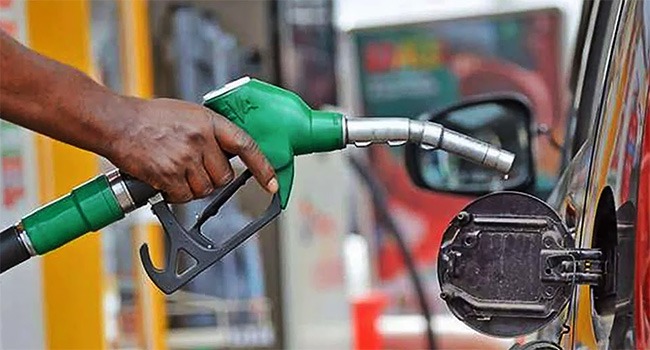
The comment of Makinde came days after the Federal Government pronounced a 30-day fuel discount policy intended to ease the price of fuel throughout the nation.
In conjunction with the Nigerian National Petroleum Company Limited (NNPCL), the programme has drawn spirited criticism from the opposition, who described it as the return of subsidy via the back door and a politically motivated ploy just months away from the 2027 general elections.
President Bola Tinubu, who is seeking a second term, pushed through sweeping economic reforms when he assumed office in 2023, including scrapping a major fuel subsidy and unifying the exchange rate market.
While economists have supported the measures, the reforms have pushed up living costs and ignited hardship in the most populous country on the African continent.
Considered to be Africa’s biggest producer of oil, Nigeria hosts the continent’s largest refinery, owned by serial industrialist Aliko Dangote, that has not stopped fuel prices to rise to about ₦1,400 ($1.00) per litre from the ₦830 in effect before the Iran , America and Israel war in the Gulf.