


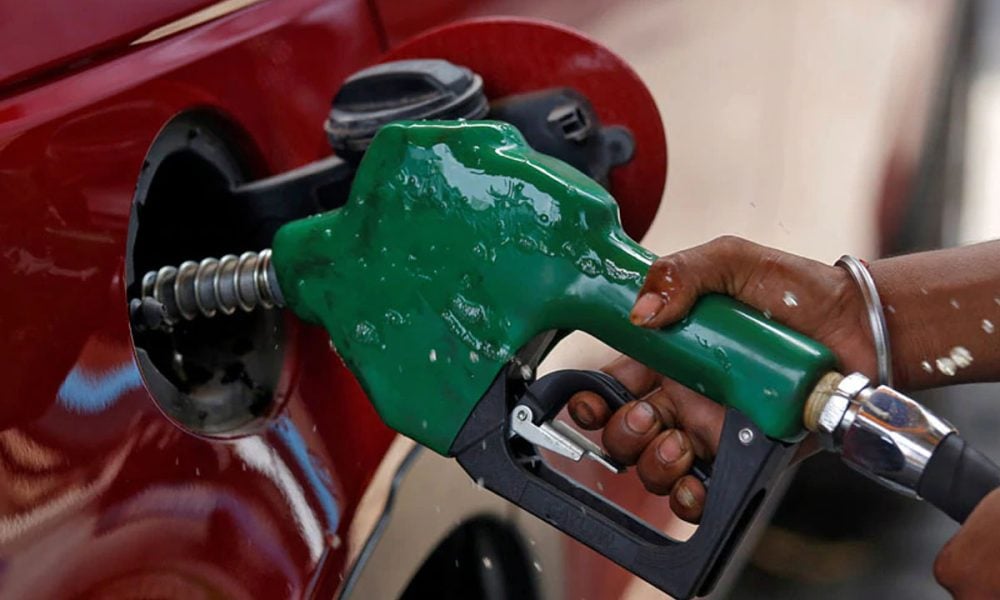
The presidency has said the Nigerian National Petroleum Company (NNPC) Limited has decided to suspend its pp profit on petrol retail margin and sell the product at cost for the next 30 days.
In a statement on Thursday, presidential spokesperson, Bayo Onanuga said the arrangement is designed to cushion the effect of global crude oil price shocks and volatility on vulnerable households.
“The Nigerian National Petroleum Company (NNPC) agreed today to forgo its petrol retail profit margin and sell to Nigerians at cost to cushion the impact of global crude oil price shocks and volatility on vulnerable households,” he said.
“NNPC Retail, which already sells petrol at the lowest price in the market, will offer this new deal within the next 30 days. This means if NNPC’s landing cost is N1300, it will sell fuel to Nigerians, especially commercial vehicles, at the same price.”
The presidential media aide stated that the measure is part of a package announced by Taiwo Oyedele, minister of finance, to ease the impact of high petrol prices.
He said that President Bola Tinubu supported the gesture.
“Oyedele said he hoped other marketers would take a cue from the NNPC, as the sharp rise in crude and petrol prices is not expected to last long,” the statement reads.
“Oyedele was emphatic that NNPC agreeing to sell at a discount must not be misinterpreted as the restoration of petrol subsidy, which ended on May 29, 2023.
In addition, Oyedele announced forward sales of crude to domestic refineries. As production rises and previously committed crude is freed up, this is expected to shield pump prices from global market volatility.
“Oyedele also said the Federal Government is negotiating a ceiling of N1,350 a litre on the ex-gantry or landing cost of petrol, to keep pump prices stable. Where costs rise above the ceiling, refiners and importers will carry the shortfall and recover it later, when crude prices or the exchange rate allow, without breaching the ceiling.”
“Removing the fuel subsidy came at a price. But the alternative has been tried. Nigeria has already lived through that cycle: scarcity, smuggling, a collapsing currency and a fiscal crisis,” Onanuga said.
“We cannot afford to live through it again, least of all in response to a temporary disruption, and at the very moment the results of reform are gathering pace.
“Government is not out to reverse a necessary reform designed to set our country on the path towards sustained prosperity. It is to ensure its gains reach more Nigerians, faster and in more tangible ways. That is our work, and we are committed to doing it.”
He said the federal government is also working on a comprehensive package of fiscal measures to bring inflation down to single digit sustainably in the near term.